The arrival of the monsoon brings cooler temperatures, lush greenery, and welcome relief from summer heat. However, increased humidity, fluctuating temperatures, pollution, and microbial growth can create unique challenges for your skin.
Many people experience oily skin, clogged pores, unexpected breakouts, fungal infections, dehydration, or dullness during this season. The key to maintaining healthy skin isn’t using more products—it’s choosing the right routine based on your skin type.
This guide explores the ideal monsoon skincare routine, practical skincare tips, DIY recipes, and natural ingredients that help support healthy-looking skin throughout the rainy season.
Why Does Skin Change During Monsoon?
High humidity affects your skin in several ways:
Increased sebum production
Sweat mixes with dirt and pollutants
Pores clog more easily
Skin barrier may become imbalanced
Acne-causing bacteria may multiply faster
Fungal infections become more common
UV rays remain present despite cloudy weather
Understanding these seasonal changes helps you adapt your skincare routine instead of continuing your summer or winter regimen.
Universal Monsoon Skincare Routine
Step 1: Gentle Cleansing
Cleanse twice daily using a gentle cleanser that removes excess oil without stripping the skin.
Choose cleansers according to your skin type:
Gel cleansers for oily skin
Cream cleansers for dry skin
Mild foaming cleansers for combination skin
Fragrance-free cleansers for sensitive skin
Avoid washing your face excessively, as over-cleansing may encourage more oil production.
Step 2: Hydrating Toner
A lightweight alcohol-free toner helps replenish moisture while preparing the skin for the next skincare steps.
Look for ingredients like:
Aloe Vera
Panthenol
Glycerin
Green Tea
Rose Water
Step 3: Lightweight Serum
Humidity doesn’t mean your skin doesn’t need hydration.
Choose serums containing:
Hyaluronic Acid
Niacinamide
Vitamin B5 (Panthenol)
Centella Asiatica
These ingredients help maintain hydration without feeling greasy.
Step 4: Moisturizer
Skipping moisturizer often causes the skin to produce even more oil.
Choose:
Oily Skin
Lightweight gel moisturizer
Dry Skin
Light cream moisturizer
Sensitive Skin
Barrier-supporting moisturizer with ceramides
Acne-Prone Skin
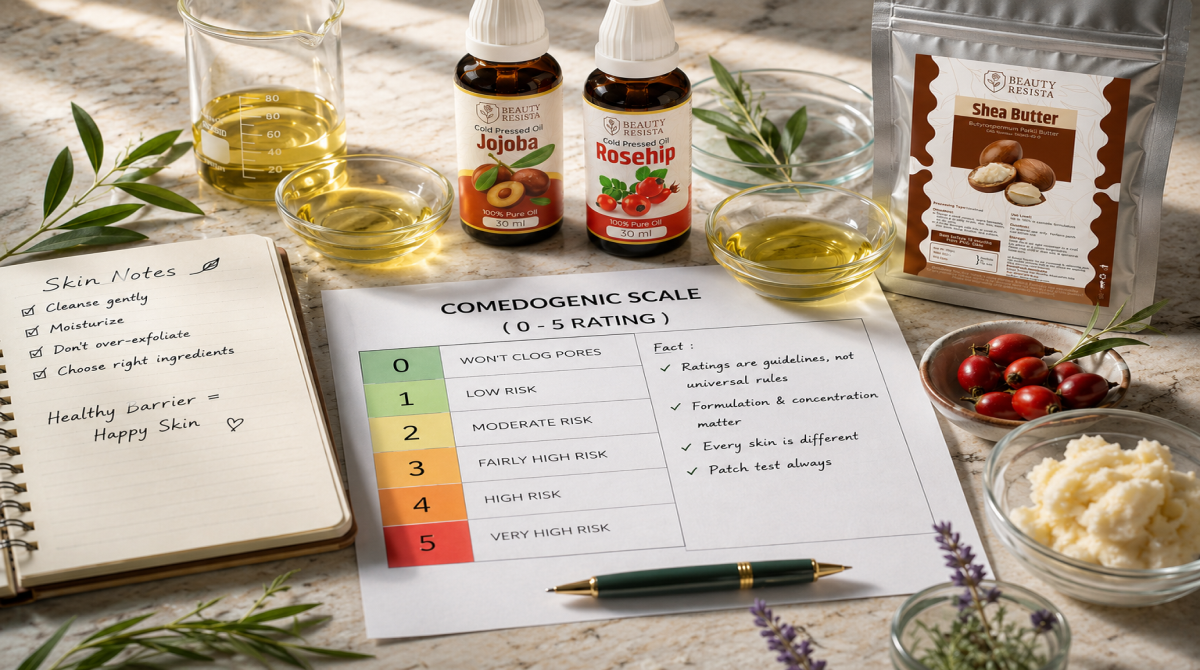
Oil-free, non-comedogenic moisturizer
Step 5: Sunscreen Every Day
Clouds block visible sunlight but not all UV radiation.
Apply a broad-spectrum SPF 30 or higher every morning.
Reapply every 2–3 hours if outdoors.
Monsoon Skincare Routine for Every Skin Type
Oily Skin
Common Concerns
Excess oil
Enlarged pores
Acne
Blackheads
Morning Routine
Gel cleanser
Niacinamide serum
Oil-free moisturizer
Sunscreen
Night Routine
Double cleanse (if wearing sunscreen or makeup)
Gentle exfoliation (1–2 times weekly)
Lightweight moisturizer
Helpful Natural Oils
Despite common misconceptions, certain lightweight oils can suit many oily skin types when used sparingly.
Examples include:
Jojoba Oil
Grapeseed Oil
Dry Skin
Humidity doesn’t always prevent dryness.
Air conditioning, indoor environments, and barrier damage may still leave skin dehydrated.
Morning Routine
Cream cleanser
Hydrating toner
Hyaluronic Acid serum
Rich moisturizer
Sunscreen
Night Routine
Gentle cleanser
Nourishing moisturizer
Facial oil (2–3 drops)
Natural Oils
Sweet Almond Oil
Argan Oil
Avocado Oil
Combination Skin
Treat different facial areas according to their needs.
T-zone
Control excess oil.
Cheeks
Focus on hydration.
Use lightweight moisturizers and apply richer products only where needed.
Sensitive Skin
Humidity and environmental allergens may trigger irritation.
Avoid:
Harsh scrubs
Strong fragrances
Excessive exfoliation
Look for:
Ceramides
Colloidal Oat
Panthenol
Aloe Vera
Bisabolol
Acne-Prone Skin
Monsoon often increases breakouts due to sweat and clogged pores.
Tips:
Cleanse after heavy sweating.
Avoid touching your face frequently.
Wash pillowcases regularly.
Use non-comedogenic skincare products.
Avoid heavy occlusive creams if they worsen breakouts.
Weekly Monsoon Skincare Routine
Exfoliation
Exfoliate only 1–2 times per week.
Choose gentle chemical exfoliants over harsh scrubs.
Examples:
Lactic Acid
Mandelic Acid
Polyhydroxy Acids (PHAs)
Avoid over-exfoliating, which can weaken the skin barrier.
Face Masks
Oily Skin
Clay mask once weekly.
Dry Skin
Hydrating mask with aloe vera or oats.
Sensitive Skin
Oatmeal and yogurt mask.
DIY Monsoon Facial Oil Blend
This lightweight facial oil supports hydration without feeling overly heavy.
Ingredients
45% Jojoba Oil
30% Grapeseed Oil
15% Argan Oil
8% Squalane
2% Vitamin E
Use 2–3 drops at night after moisturizer.
DIY Soothing Hydration Mist
Ingredients
50 ml Rose Water
40 ml Aloe Vera Juice
5 ml Glycerin
5 ml Panthenol Solution
Store refrigerated and use within the recommended shelf life based on your ingredients and preservative system.
Monsoon Diet for Healthy Skin
Healthy skin begins from within.
Include foods rich in:
Vitamin C
Vitamin E
Zinc
Omega-3 fatty acids
Antioxidants
Stay hydrated even if you don’t feel thirsty during rainy weather.
Common Monsoon Skincare Mistakes
Skipping sunscreen
Not moisturizing oily skin
Using harsh scrubs daily
Sleeping with makeup on
Touching acne frequently
Using heavy oils that don’t suit your skin
Sharing towels
Ignoring fungal infections
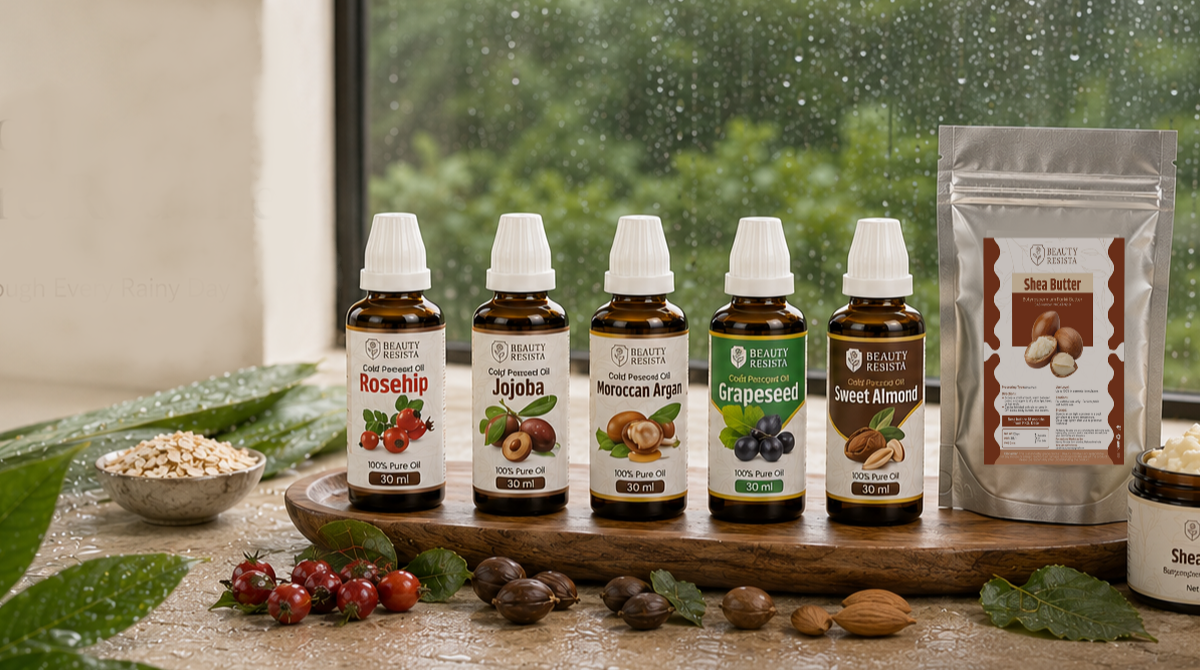
Best Natural Oils for Monsoon Skincare
Natural Oil
Best For
Texture
Argan Oil
Dry, mature, combination skin
Lightweight
Jojoba Oil
Oily and combination skin
Very lightweight
Grapeseed Oil
Acne-prone skin
Fast absorbing
Sweet Almond Oil
Dry skin
Medium
Rosehip Oil
Mature-looking skin, uneven skin tone
Lightweight
Avocado Oil
Very dry skin
Rich
Always patch test new skincare products and oils before regular use.
Frequently Asked Questions
Is moisturizer necessary during monsoon?
Yes. Even oily skin benefits from a suitable lightweight moisturizer, which helps maintain the skin barrier and reduce dehydration.
Which natural oil is best during monsoon?
It depends on your skin type. Jojoba and grapeseed oils are often preferred for oily skin, while argan and sweet almond oils may be better suited to dry skin.
Can I use facial oils during humid weather?
Yes, but choose lightweight oils and use only a few drops. Applying too much may feel greasy, especially on oily skin.
Should I exfoliate more during monsoon?
No. Exfoliating once or twice a week is usually enough for most skin types. Excessive exfoliation can irritate the skin.
Why do pimples increase during monsoon?
Higher humidity, increased sweating, excess oil, and clogged pores can contribute to breakouts. A gentle cleansing routine and non-comedogenic skincare products may help reduce the risk.